
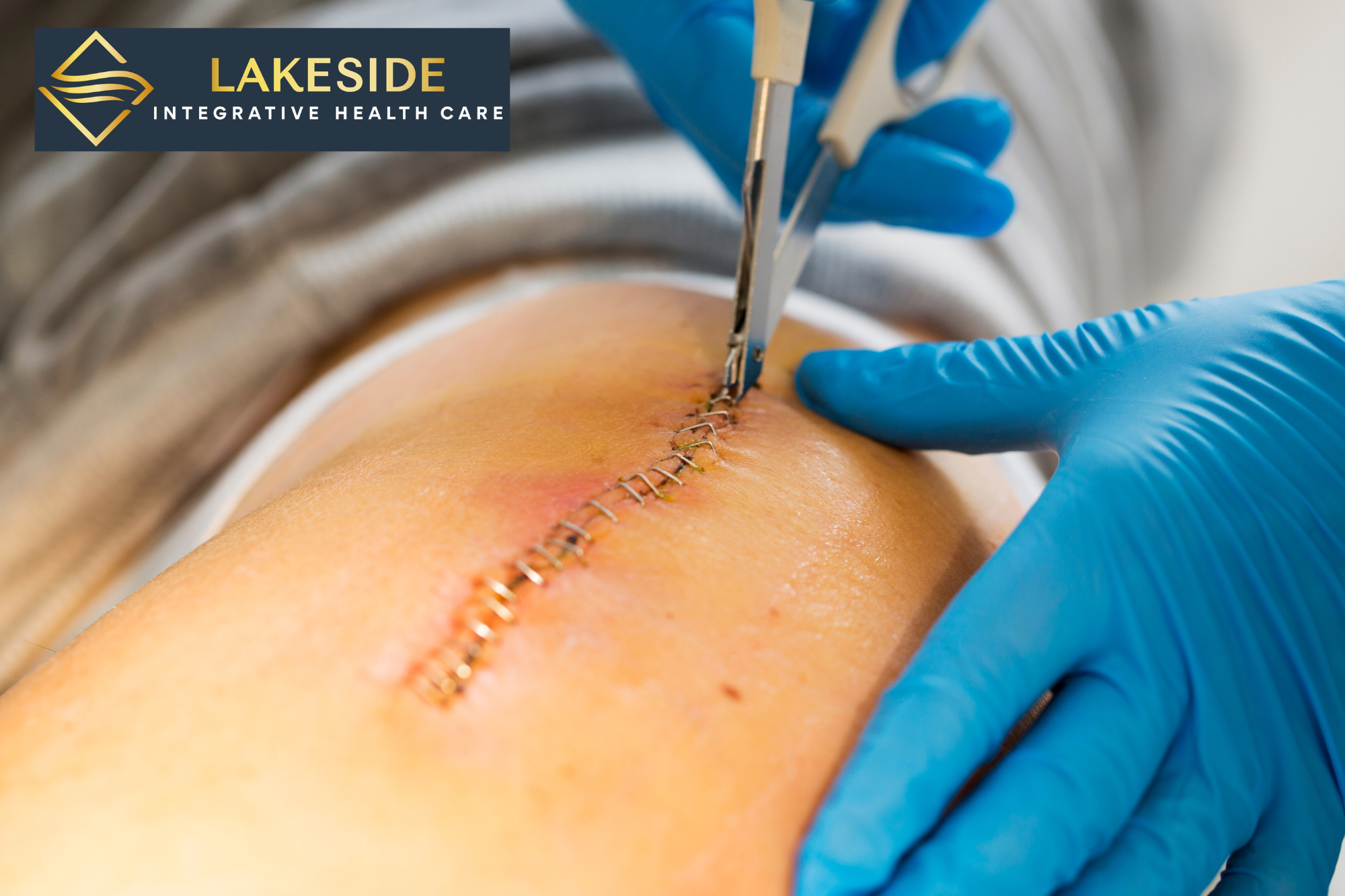
When it comes to recovering from surgery or injury, suture and staple removal play a pivotal role in how well the wound heals and how noticeable the resulting scar will be. Many people wonder whether the process of removing stitches or staples leaves a scar and if a specialist can help minimize the appearance of scarring. The good news is that with the right timing and technique, you can avoid significant scarring. This article will explain how proper wound treatment Charlotte NC, can make all the difference in your healing process and help you feel more confident about your recovery.
Do Suture and Staple Removal Procedures Leave Scars?
The Natural Healing Process
After surgery or injury, the body works to heal itself by forming new tissue, and in doing so, scar tissue is created to close the wound. This scar tissue can vary in appearance, from faint lines to more noticeable scars, depending on various factors such as the type of surgery, how well the wound is cared for, and when the sutures or staples are removed. Proper wound care treatment Charlotte NC, is essential in ensuring that the wound heals as neatly as possible, leaving minimal scarring.
Factors That Influence Scarring
Several factors contribute to how noticeable the scar will be after sutures or staples are removed. For example, the location of the wound, the type of surgical procedure, the kind of stitches or staples used, and even your skin type can all play a part in determining the final appearance of the scar. People with certain genetic predispositions may be more likely to develop keloid scars, while others may have minimal scarring with the right treatment.
How Suture and Staple Removal Affects Scarring
One of the most crucial elements in minimizing scarring is the timing of the removal. If sutures or staples are removed too soon, the wound might not be fully healed, potentially leading to reopening and increased scarring. However, if left in place for too long, the tension on the wound can cause thicker scars. Professional care ensures that the removal happens at just the right time, preventing both premature removal and unnecessary delays. The expert suture and staple removal Charlotte NC, ensures that the wound heals properly with minimal tension on the skin, leaving you with a cleaner, less noticeable scar.
How Do I Know When It’s Safe to Have My Stitches or Staples Removed After Surgery in Charlotte?
Timing Is Crucial for Optimal Healing
Typically, sutures or staples are removed between 7 and 14 days after surgery, depending on the type of wound and the location. A general rule is to wait until the wound edges are no longer gaping, there’s no significant swelling or redness, and the skin feels firm with minimal tenderness.
The Role of a Specialist in Determining Removal Time
While there are general guidelines, the most accurate assessment comes from a specialist who can evaluate your unique healing progress. In Charlotte, specialists who offer suture and staple removal carefully assess the healing process, ensuring that the wound is sufficiently healed before proceeding with removal. This ensures the best chance of minimizing scarring and reducing the risk of complications like infection.
What Happens If You Remove Stitches or Staples Too Soon?
If the stitches or staples are removed too early, the wound may reopen, leading to delayed healing and possibly a more prominent scar. Premature removal also increases the risk of infection, as the wound may not be fully closed. For this reason, it is crucial to follow the advice of your specialist and avoid removing the sutures or staples yourself before the proper time.
Can Infection Develop If Sutures or Staples Are Removed Too Early or Too Late?
Risks of Premature Removal
Removing sutures or staples too soon can expose the wound to bacteria, as the skin has not fully healed. This can result in infection, which not only affects the wound’s appearance but can also delay the healing process. The goal is to allow the wound to fully close and strengthen before removal.
Dangers of Delayed Removal
On the flip side, leaving sutures or staples in too long can cause them to become embedded in the skin, leading to irritation or infection. Additionally, prolonged tension on the wound can hinder proper healing, making the scar more noticeable. A specialist offering professional wound care in Charlotte, NC, can help prevent these complications by removing sutures or staples at the appropriate time and using sterile techniques to ensure a clean, safe procedure.
How Specialists Prevent Infection During Removal
Experienced specialists follow strict sterile techniques during the suture and staple removal in Charlotte to reduce the risk of infection. They also evaluate the healing progress and remove the sutures or staples at the optimal time to minimize complications. If you notice any signs of infection, such as redness, swelling, or unusual discharge, be sure to contact your healthcare provider immediately.
To Sum Up: The Role of a Specialist in Minimizing Scarring and Preventing Complications
Suture and staple removal is a critical step in your recovery journey, and it can significantly affect the appearance of your scar. By working with a skilled specialist for your suture and staple removal, you ensure that your healing process is handled with care and expertise, helping you achieve the best possible results.
Charlotte residents deserve access to expert care during every stage of recovery, and that includes the professional removal of sutures and staples. If you are recovering from surgery or an injury, we invite you to schedule an appointment with our trusted specialists. We’re here to guide you through your healing journey with compassionate, patient-centered care.
Ready to ensure your healing process goes smoothly? Contact us or schedule your consultation with us today to experience the benefits of holistic wound care treatment in Charlotte, NC, and minimize scarring. We’re here to support you every step of the way.
Disclaimer
The information provided in this blog post is for general informational purposes only and is not intended to replace professional medical advice, diagnosis, or treatment. Always seek the advice of your physician or other qualified health provider with any questions you may have regarding your health or a medical condition. Never disregard professional medical advice or delay seeking it because of something you have read in this blog. If you are in need of wound treatment in Charlotte, NC, or any other medical care, please contact a qualified healthcare provider for assistance.