
If you’re wondering how wound care specialists determine whether your wound is serious, the answer is that they use a combination of visual inspection, patient history, and diagnostic tools to assess size, depth, and risk factors. Early evaluation is crucial, especially if you notice signs of infection, have diabetes, or a chronic health condition. For residents in Charlotte, expert wound care treatment Charlotte NC clinics provide professional assessment, suture and staple removal, and ongoing care to ensure proper healing and prevent complications.
How to Recognize If Your Wound Is Infected
Common signs of infection include redness, swelling, warmth around the wound, increasing pain, unusual discharge or pus, and sometimes a foul odor. Fever or chills may indicate a more severe infection. If you notice any of these symptoms, it’s important to contact a Charlotte wound care specialist promptly. Early evaluation from a trusted provider offering wound treatment Charlotte NC can prevent minor infections from becoming serious complications.
Preventing Wounds from Becoming Infected, Especially for Diabetic Patients
Proper wound care at home is essential. Clean wounds gently with mild soap and water, keep them covered with sterile dressings, and monitor daily for any changes. For diabetic patients, managing blood sugar levels is critical, as high glucose can slow healing and increase infection risk.
Lifestyle practices such as eating a balanced diet, staying hydrated, and avoiding smoking or excessive alcohol also support faster healing. For wounds that are slow to heal or at higher risk of infection, like diabetic foot ulcers or surgical wounds, consulting a Charlotte specialist can ensure safe and effective care, including suture and staple removal Charlotte if needed.
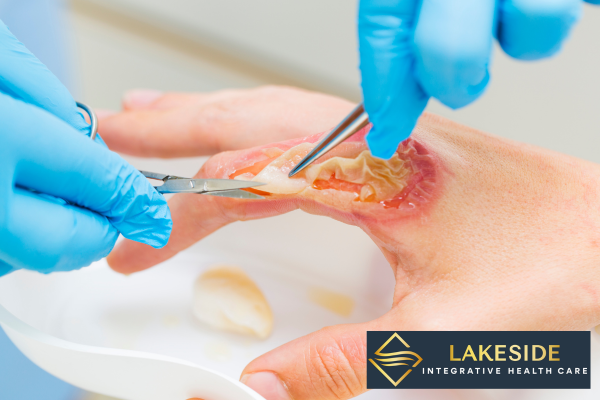
How Charlotte Wound Care Specialists Assess the Severity of Your Wound
Specialists start with a careful visual and physical assessment, evaluating wound size, depth, and location, as well as the condition of surrounding skin and tissue. Signs of infection or necrosis are closely examined.
Advanced diagnostic tools may be used when necessary. Imaging, such as X-rays or ultrasounds, can detect underlying tissue damage, and laboratory tests can confirm infection. Specialists also assess blood flow and oxygenation, which are key factors in healing potential.
Patient history is equally important. Chronic conditions, medications, prior wound complications, and lifestyle factors influence treatment. Based on this comprehensive assessment, specialists create a customized wound care plan that may include advanced dressings, topical therapies, or treatments in Charlotte, NC. They also provide guidance on proper suture and staple removal to ensure safe healing.
To Sum Up
Recognizing infection, preventing complications, and seeking expert care are essential for proper wound healing. Charlotte’s wound care specialists combine experience, advanced tools, and personalized treatment, including suture and staple removal Charlotte NC, to ensure safe, effective recovery.
Don’t wait to get the care you need. Contact us or schedule your appointment with a Charlotte wound care specialist today to protect your health and promote faster, safer healing.
Disclaimer
The information provided in this article is for general educational purposes only and is not a substitute for professional medical advice, diagnosis, or treatment. Always seek the advice of a qualified healthcare provider with any questions you may have regarding a medical condition or wound care. Never disregard professional medical advice or delay seeking it because of something you read on this website. Individual results may vary, and the services mentioned, including wound care treatment, suture and staple removal, or wound treatment in Charlotte, NC, should be performed by licensed medical professionals.