
If you’re wondering whether your cut or sore needs professional care instead of just home treatment, the answer is yes, a healthcare professional should evaluate any wound that isn’t healing as expected. Early intervention can prevent infection, scarring, and more serious complications. In Charlotte, local experts recommend timely wound treatment Charlotte NC, to ensure safe and effective healing.
Why Early Wound Care Matters
Understanding the Healing Process
Wounds normally heal in stages: inflammation, tissue formation, and remodeling. Minor cuts and scrapes typically improve within a few days. If healing slows or stops, it may indicate a problem that requires professional attention.
Risks of Ignoring Non-Healing Wounds
Leaving a wound untreated can lead to:
- Infection, which may become systemic
- Chronic wounds or ulcers
- Permanent scarring or tissue damage
- Complications for people with diabetes or weakened immunity
How to Know if Your Cut or Sore Needs Professional Wound Care
Wounds That Don’t Heal with Home Treatment
You should seek professional care if you notice that a wound isn’t responding to home treatment. This includes cuts or sores that show no improvement after 7–10 days, chronic pressure sores or diabetic foot ulcers, and wounds that repeatedly reopen despite proper care. Getting a timely evaluation from experts offering wound care treatment Charlotte NC can prevent complications and promote faster, safer healing.
Factors That Increase the Need for Professional Care
Early evaluation by a healthcare professional is particularly important if certain risk factors are present. These include deep puncture wounds or animal bites, wounds located on high-risk areas such as the hands or feet, and patients with underlying conditions like diabetes, poor circulation, or compromised immune systems. Prompt professional care in these situations can help prevent infection and promote proper healing.
What Professional Wound Care Involves
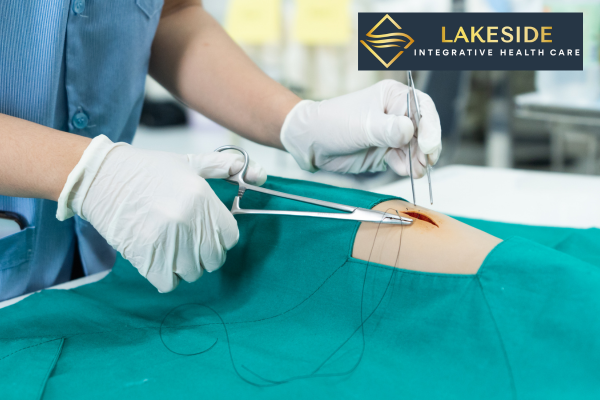
Professional wound care from local providers in Charlotte typically involves several key steps to ensure proper healing. This can include thorough cleaning and debridement of the wound, the application of specialized dressings or topical treatments, and suture and staple removal Charlotte NC, if needed. Providers also perform ongoing monitoring to prevent complications and ensure the wound heals safely and effectively.
How Quickly Should You Seek Treatment for a Wound That Isn’t Healing Properly?
General Guidelines
For most minor cuts, it’s reasonable to monitor the wound at home initially. However, if a wound shows no improvement after 7–10 days, it’s important to seek professional care. High-risk wounds, such as deep punctures, animal bites, or wounds in patients with underlying health conditions, should be evaluated immediately to prevent complications and ensure proper healing.
High-Risk Patients Who Should Seek Early Care
Certain patients are considered high risk and should seek prompt professional wound care. This includes people with diabetes or neuropathy, older adults, or those with poor circulation, and patients taking immunosuppressive medications. For these individuals, early intervention is especially important to prevent infection and support proper wound healing.
Warning Signs of an Infected Wound That Require Immediate Attention
Physical Signs of Infection
Physical signs that a wound may be infected include redness, warmth, or swelling around the area, the presence of pus, a foul odor, or any unusual discharge, and increasing pain or tenderness. Noticing any of these symptoms is a signal to seek professional care promptly, including services like suture and staple removal Charlotte, to prevent the infection from worsening.
Systemic Symptoms
In addition to local signs, systemic symptoms can indicate a more serious infection. These include fever or chills, a rapid heart rate, and an overall feeling of being unwell or fatigued. Experiencing any of these symptoms warrants immediate professional evaluation to ensure the infection does not spread or cause complications.
Immediate Actions
If you notice signs of infection, it’s important to take immediate action. Contact a healthcare provider right away, avoid home remedies that could worsen the infection, and carefully follow all professional instructions until the wound is fully healed. Prompt and proper care can prevent complications and support faster recovery.
Tips for Promoting Healthy Wound Healing at Home
Basic Wound Care Steps
Proper basic wound care is essential for healing. Clean the wound gently and change dressings as directed, keep the wound moist yet protected, and avoid friction or pressure on the area. Following these steps helps reduce the risk of infection and promotes faster, more effective healing.
Lifestyle Factors That Support Healing
Certain lifestyle factors can significantly support wound healing. Maintaining proper nutrition and staying well-hydrated helps the body repair tissue. Controlling blood sugar is especially important for people with diabetes, and avoiding smoking and excessive alcohol can prevent delays in recovery. Paying attention to these habits can improve healing outcomes and reduce complications.
Final Thoughts: Don’t Wait to Treat Wounds That Aren’t Healing
The Benefits of Early Professional Intervention
Seeking professional wound care promptly offers several important benefits. Early intervention can accelerate recovery, reduce the risk of infection and other complications, and help minimize scarring. Addressing wounds quickly ensures the best possible healing outcomes and protects overall health.
Take Action Today
If you have a wound that isn’t healing properly, don’t wait. Call us today. Early care can make all the difference in your recovery and long-term health.
Disclaimer
This blog is for informational purposes only and is not intended as medical advice. Always consult a qualified healthcare professional for evaluation and treatment of wounds or any medical condition. The information provided here should not be used as a substitute for professional medical care, diagnosis, or treatment. Individual results may vary, and timely consultation with a licensed provider is recommended for any wounds that are not healing properly or show signs of infection.